What Is War Thunder?
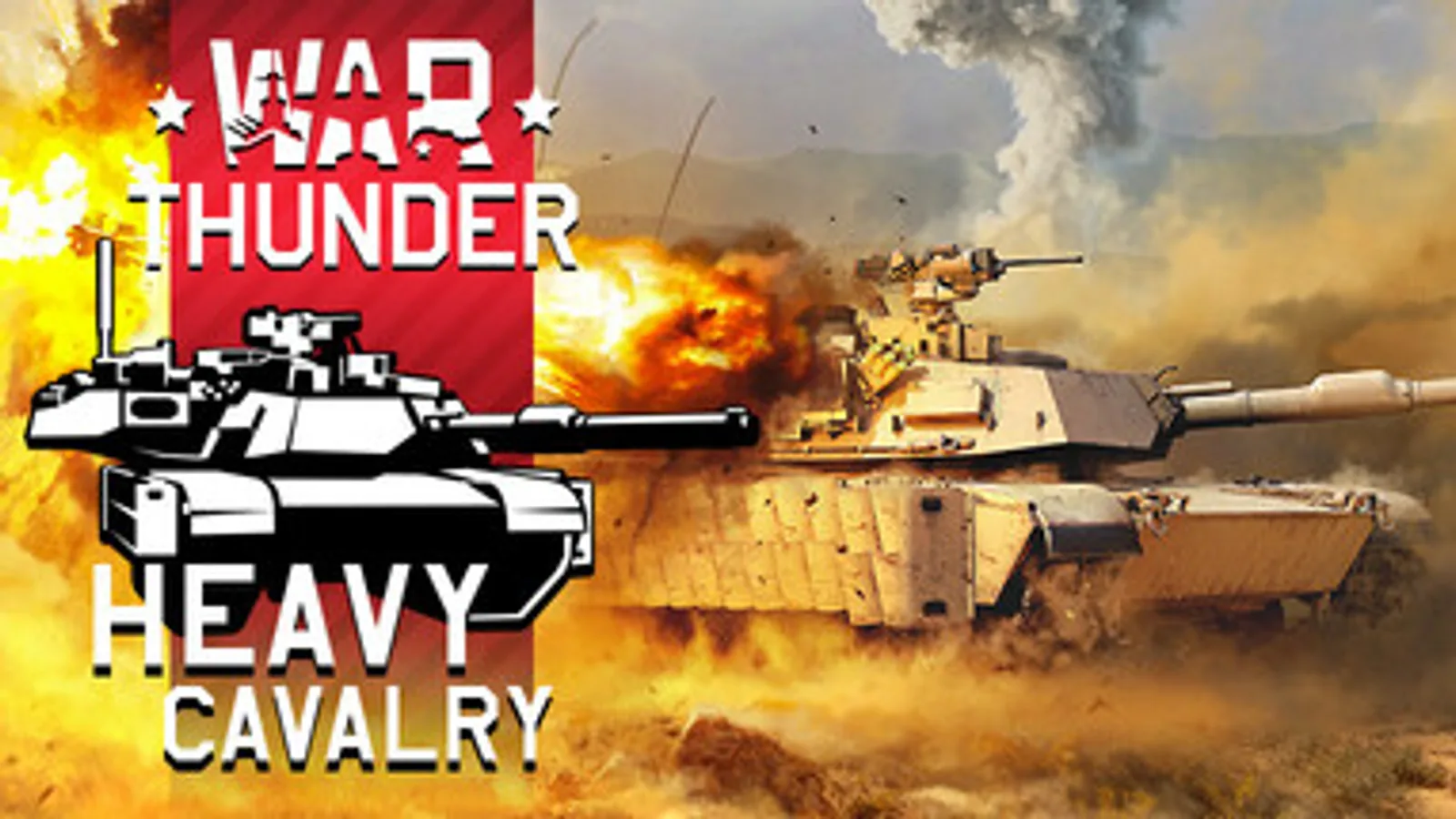
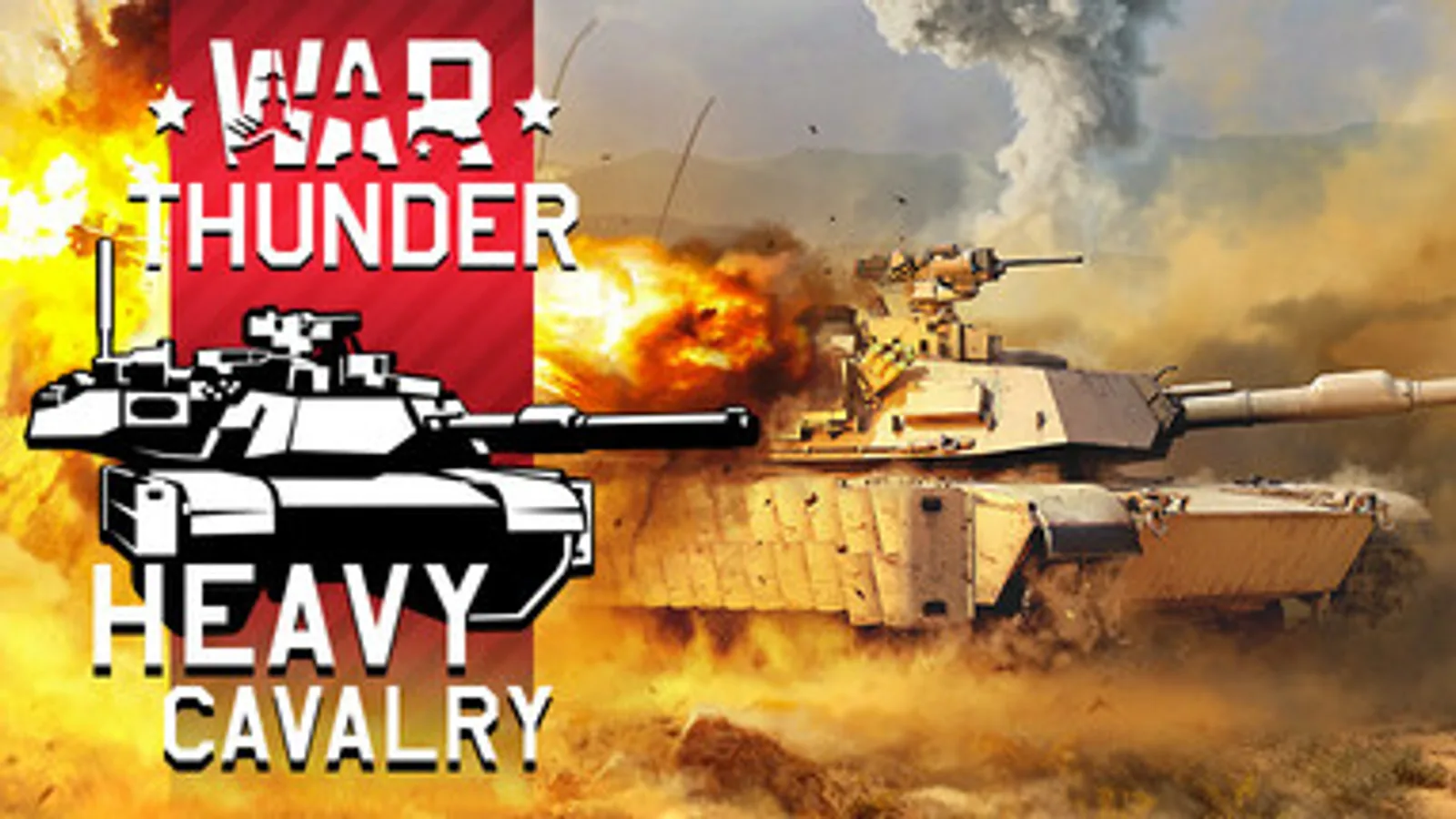
War Thunder is a free-to-play combined-arms vehicular combat MMO developed and published by Gaijin Entertainment. It entered open beta in November 2012, launched officially on December 21, 2016, and has been continuously expanded ever since. It's available on Windows, macOS, and Linux (via Steam or Gaijin's own launcher), plus PlayStation 4, PlayStation 5, Xbox One, and Xbox Series X/S, with full cross-play across all of them. Rather than sticking to one theater of war, it lets players fly, drive, and sail — piloting fighters and bombers, commanding tanks and other armor, and captaining ships and submarines — across more than a century of military hardware, from interwar biplanes and early tankettes to modern jets and main battle tanks.
Why Is War Thunder So Popular?
War Thunder has stayed relevant for well over a decade by being one of the only games that plausibly does three genres — flight combat, tank warfare, and naval combat — under one account, one economy, and one matchmaking system. Its free-to-play model, cross-platform battles between PC and console players, and a genuinely deep simulation option for players who want it (full cockpits, no HUD markers, HOTAS and VR support) have let it retain both a casual arcade crowd and a hardcore sim community simultaneously. Gaijin's release cadence is also a big driver of ongoing interest: major updates keep adding new nations, entire vehicle classes (naval forces being a notable later addition), and — as of early 2026 — a new Rank IX tier for the most advanced aircraft, alongside periodic reshuffles of ground vehicle research trees to keep progression from going stale.
War Thunder Gameplay
Each vehicle domain — air, ground, and naval — has its own research tree per nation, and progress is split between two currencies: Research Points (RP), earned from battle performance and spent unlocking the next vehicle or module on your active research line, and Silver Lions (SL), the currency actually spent to purchase researched vehicles, train crews, and cover repair and ammunition costs. Matches are offered across three realism tiers — Arcade, Realistic, and Simulator — ranging from an accessible, assist-heavy mode aimed at newcomers to a hardcore simulation experience with full instrumentation and no on-screen markers. Realistic damage modeling, ballistics, and vehicle-specific handling drive most of the depth: armor angling and ammunition selection matter in tanks, energy management and gunnery lead matter in planes, and positioning and torpedo arcs matter at sea.
Main Features of War Thunder
- Three fully developed combat domains — air, ground forces, and naval fleets — playable from the same account, often within the same combined-arms battles
- Research trees spanning ten major nations, including the US, Germany, USSR/Russia, Britain, Japan, China, Italy, France, Sweden, and Israel
- Three realism tiers (Arcade, Realistic, Simulator), the last with full cockpits, HOTAS/VR support, and no assisted aiming
- A dual-currency progression system (Research Points and Silver Lions) built around per-vehicle and per-lineup research
- Frequent major updates adding new vehicle ranks, nations, and mechanical systems, including a Rank IX aircraft tier and ground tech tree reshuffles introduced in 2026
- Full cross-play between PC, PlayStation, and Xbox, sharing the same battles and progression
War Thunder Vehicle Trees and Battle Ratings
There's no traditional open world here — the map is the battlefield, and progression runs through separate tech trees for aviation, ground vehicles, and naval forces, each split by nation. Climbing a tree unlocks vehicles across a Rank system, from early war piston-engine fighters and light tanks up through Rank IX multirole jets and modern main battle tanks. Naval combat is further divided into Coastal Fleet (torpedo boats, frigates) and Bluewater Fleet (destroyers, cruisers, and battleships). Every vehicle carries a Battle Rating (BR), a matchmaking value that groups roughly comparable vehicles into the same fight regardless of nation or era, so a match might mix vehicles from several countries as long as their BRs line up. Building a "lineup" — several vehicles of similar BR you bring into a session together — matters more than owning any single strong vehicle, since a lineup with gaps loses matches through attrition even if its best vehicle is excellent.
War Thunder PC Requirements
| Minimum | Recommended | |
|---|---|---|
| OS | Windows 10 64-bit | Windows 10/11 64-bit |
| CPU | Dual-core 2.2 GHz | Intel Core i5 / Ryzen 5 3600 or better |
| RAM | 4 GB | 16 GB |
| GPU | GeForce GTX 660 / Radeon HD 7700 | GeForce GTX 1060+ / Radeon RX 570+ |
| Storage | 70 GB | 95 GB |
The minimum specs are old-hardware-friendly by design — War Thunder can run on genuinely modest machines at reduced settings — but the storage footprint is the real trap for newcomers, since a decade-plus of added vehicles, maps, and high-resolution textures now takes up significantly more space than most free-to-play games.
How to Download War Thunder on PC
War Thunder is available on Steam and through Gaijin's own official launcher at warthunder.com, and progress carries over between them since your account, not the storefront, holds your research and purchases. Download from either source, create or link a Gaijin.net account, and install — there's no separate purchase step since the base game is entirely free. Avoid third-party download mirrors or "unlock" tools; nothing beyond the official client and launcher is needed or safe to use.
Is War Thunder Free to Play?
Yes, fully — there's no subscription and no paywall on core content. Every nation's tech tree, every realism mode, and cross-play are free from the start. Monetization runs through premium vehicles, premium account time (which boosts RP/SL earnings), and cosmetics, with individual DLC packs and vehicle bundles ranging from a few dollars up to premium pack pricing near $80. Premium vehicles and account boosts speed up the grind rather than unlocking exclusive power — most of them sit at the same Battle Ratings as vehicles earned through research, so spending accelerates progress more than it buys a competitive edge.
Is War Thunder Worth Playing?
Critic reception has held up well over the years — War Thunder sits at a Metascore in the low-to-mid 80s on Metacritic and a "Strong" rating in the mid-70s on OpenCritic — while the Steam user base remains split, with recent review percentages hovering in the "Mostly Positive" range around 70%. The recurring complaints are consistent across both camps: a steep learning curve for the sheer number of decisions the game front-loads, repair and crew-training costs that bite at higher ranks, and periodic community frustration over economy changes and tech-tree reshuffles. What keeps critics and long-term players on side is the sheer breadth of what's on offer for free, plus a simulator mode few competitors even attempt.
For deeper vehicle tech-tree breakdowns, a full beginner's progression path, and ongoing War Thunder update coverage, check RigPure's guides, reviews, and news sections for this game.
Play it if you want vehicular combat across air, ground, and sea with genuine simulation depth available whenever you want it, and you don't mind a slow, currency-gated grind. Skip it if you'd rather have a tight, low-commitment shooter or you're allergic to free-to-play monetization layered on top of a full-priced-game's worth of content.