Verdict
Raid: Shadow Legends is a genuinely competent turn-based collection RPG with strong production values, sunk by a punishing gacha economy that turns competitive progress into a spending contest.
You've almost certainly seen a Raid: Shadow Legends ad. Since its 2019 global launch, Plarium's turn-based collection RPG became a meme in its own right off the back of an unprecedented influencer marketing blitz — YouTubers from tech reviewers to MrBeast have all run the same read. That campaign made Raid one of the most recognizable game names on the internet, for reasons that had nothing to do with the game itself. Years later, we went back to judge it purely on what's actually installed on your PC.
The essentials
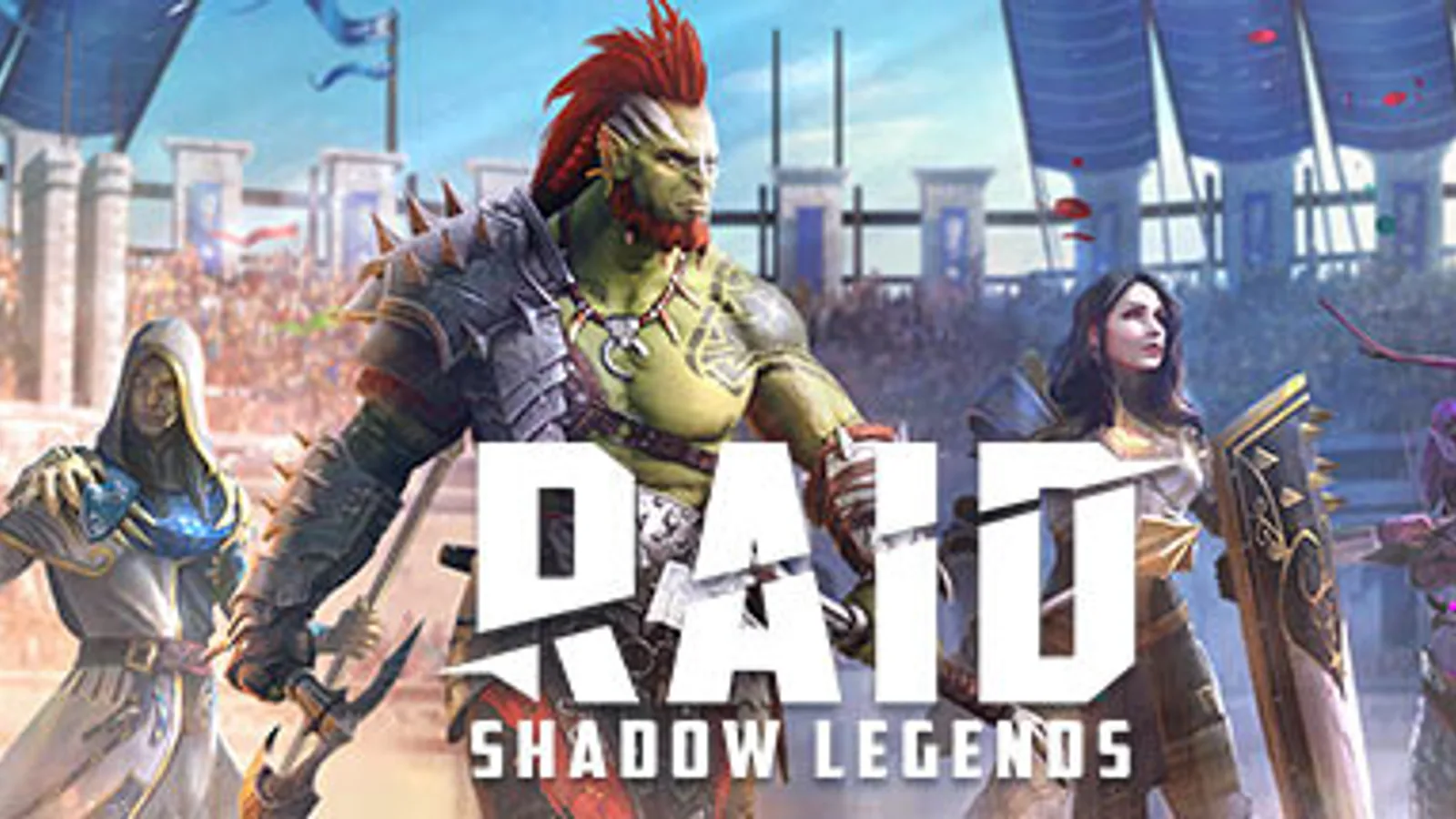
Raid is a dark-fantasy, turn-based RPG built around collecting Champions — over 500 of them across 14 factions — and building teams to clear a campaign, dungeons, faction wars, arena PvP, and a long tail of other modes. The campaign was written by Paul C.R. Monk (Assassin's Creed: Syndicate) and voiced by a cast with Mass Effect and Witcher 3 credits, which shows: the presentation is a level above most gacha competitors, with genuinely striking 3D champion models and slick combat animations rather than the flat 2D art typical of the genre.
Mechanically, it's a real strategy game underneath the spectacle. Gear sets, artifact stats, faction synergies, and champion skill kits interact in ways that reward theory-crafting, and the sheer volume of modes — arena brackets, dungeon clears, faction wars, clan boss, doom tower — means there's rarely a shortage of things to log in and do.
The experience
Where Raid earns its keep is in that mid-game strategy layer. Building a team around a specific clan boss strategy, or optimizing gear speed-tuning across a roster, has the kind of puzzle-solving satisfaction that made the collection-RPG genre popular in the first place. New-player onboarding has also improved noticeably since launch — the early hours move faster and explain systems more clearly than they used to, which softens what was historically a rough start.
The problem is what sits directly underneath that strategy layer: acquisition. Getting the champions and gear needed to actually execute those strategies runs through a loot-box system with famously low odds for top-tier pulls, and premium currency is sold in a way clearly designed to nudge continuous spending — including a recurring subscription that's effectively the efficient way to buy gems. Community sentiment has been blunt about this for years, and it hasn't meaningfully softened: player review scores on both Steam and Metacritic sit well below the game's production values would suggest, driven almost entirely by monetization complaints rather than complaints about the core gameplay.
The limitations
Two things are hard to look past. First, competitive content — high arena brackets, top clan rankings, endgame PvP — is where the pay-to-win pressure is sharpest; free players can absolutely enjoy the PvE campaign and early-to-mid modes, but the ceiling on competitive play is set by wallet, not skill, far more than in most of Raid's genre peers. Second, the reputational hangover from years of oversold, occasionally misleading marketing is real and, in our view, fair — ads have shown gameplay and scenarios that simply don't exist in the actual product, and that history colors how the game gets received even now that onboarding and content cadence have improved.
If neither of those bother you and you're purely evaluating the turn-based tactics and collection loop, Raid holds up better than its internet reputation suggests. If you're sensitive to gacha monetization, it will grate quickly.
Who it's for
Genre veterans who already understand gacha economies and know how to play them (staying free, ignoring the whale-tier content, focusing on PvE) can get a legitimately good, good-looking collection RPG out of Raid. Newcomers hoping the ads' promised open-world spectacle will be disappointed — this is a menu-driven turn-based game, full stop — and anyone allergic to loot boxes should look elsewhere.
Verdict
Strip away the meme status and the marketing baggage, and Raid: Shadow Legends is a solidly built, good-looking turn-based RPG with real strategic depth — wrapped in one of the industry's more aggressive monetization systems, which is exactly why its player review scores lag so far behind its production values. It's worth trying for free if the genre appeals to you; just go in with clear eyes about where the paywalls sit.
Rating: 5.6/10
Pros
- Strong 3D champion and environment art for the genre
- Deep team-building with real synergy between factions and gear sets
- A large, varied spread of PvE and PvP modes to sink time into
- Voice cast and campaign writing punch above genre norms
Cons
- Extremely aggressive monetization; gear and top champions are gated behind low-probability pulls
- PvP and end-game content heavily favor paying players
- Years of oversold, misleading marketing have poisoned goodwill toward the game
- Grind-heavy pacing for anyone playing free